Are You Utilizing Cold Immersion Effectively?
When You Cold Plunge Matters
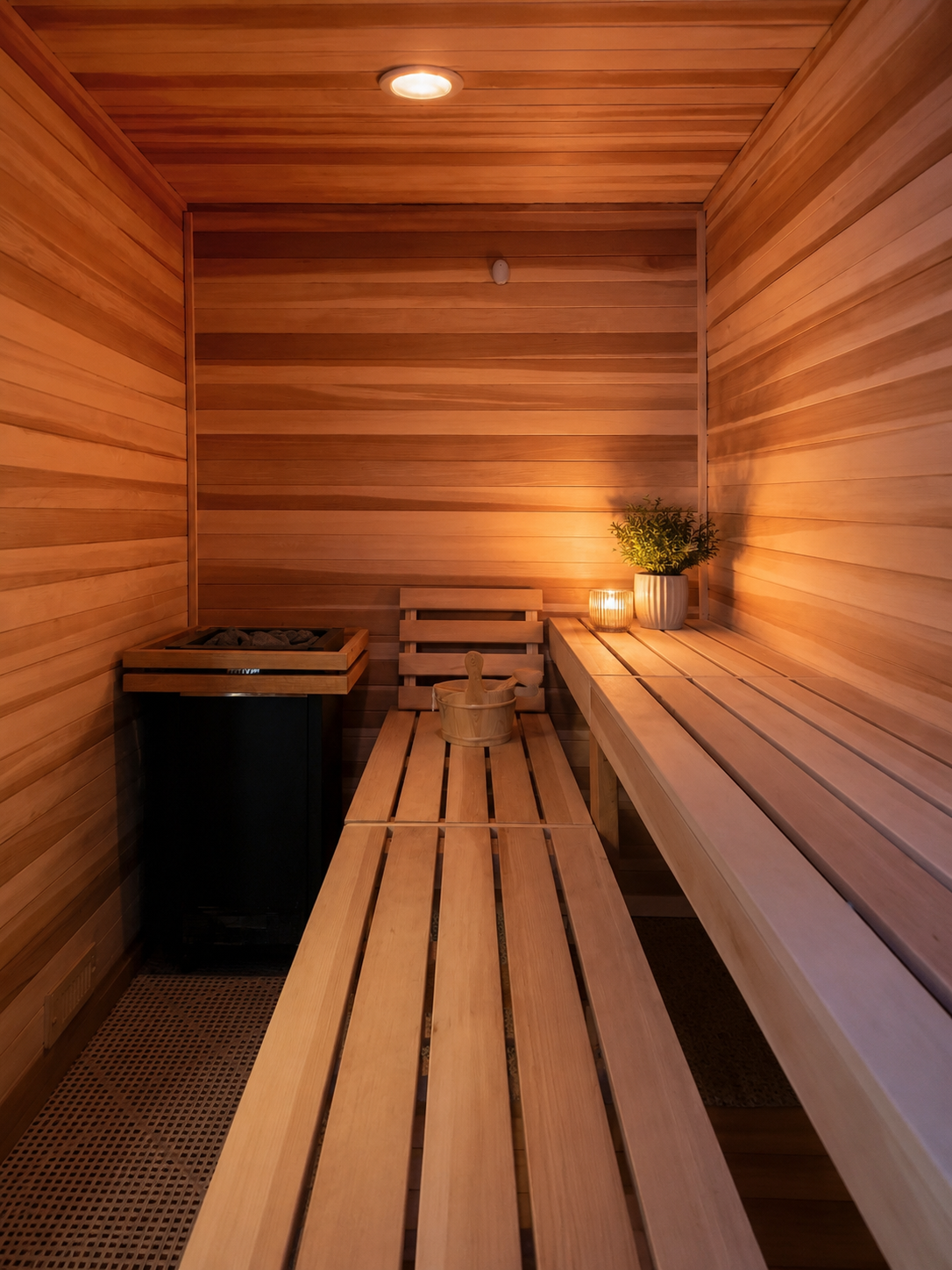
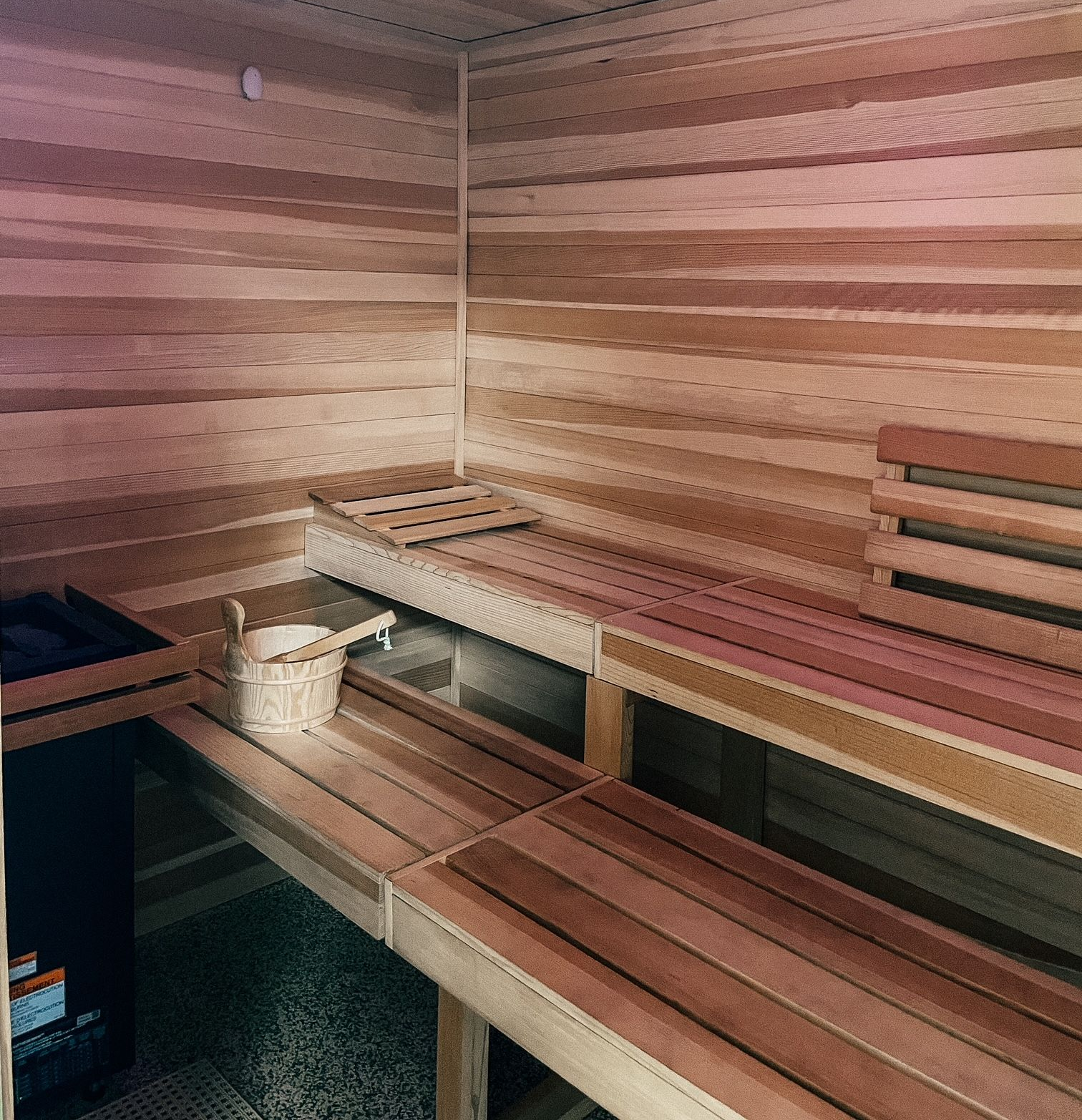
Cold plunging—also known as cold water immersion—has exploded in popularity. From athletes to weekend lifters, people like us swear by its ability to boost recovery, sharpen the mind, and reduce inflammation to start. We get asked all kinds of questions here at The Studio about cold water immersion including when is the best time to do it? While we're quick to say, "Whenever you like or want to do it.", for those hitting the gym looking for serious hypertrophy (muscle size) gains, when you cold plunge could make a big difference. This month we're breaking down what actually happens when you cold plunge, and when is the right time to plunge based on your goals. While sauna is always on the menu and extremely beneficial, especially post workout, when to plunge could matter to you.
Let’s break it down...
What Happens to Your Body During a Cold Plunge
When you step into cold water (usually 10–15°C / 50–59°F), your body triggers a series of physiological responses which include:
- Blood vessels constrict, reducing inflammation and swelling.
- Heart rate increases briefly, boosting circulation before slowing
- Your nervous system shifts toward an alert, focused state.
- Endorphins and dopamine surge.
- Cold-shock proteins are produced and deployed
The Benefits of Cold Plunging After the Gym
1. Reduces Muscle Soreness
Cold immersion can help reduce delayed onset muscle soreness (DOMS), especially after high-volume sessions or intense conditioning workouts. The reduced inflammation can make you feel less stiff and more mobile the next day.
2. Speeds Up Recovery
The cold narrows blood vessels and reduces tissue inflammation. When you warm back up after the plunge, fresh blood flows into the muscles, bringing nutrients that support recovery.
3. Improves Mental Clarity & Mood
Cold exposure triggers a surge in dopamine and norepinephrine—neurotransmitters associated with focus, motivation, and mood elevation. Many people feel energized and mentally sharp afterward.
4. Helps You Sleep Better
If your workout is in the late afternoon or evening, a cold plunge can help bring your core temperature and heart rate down, which makes falling asleep easier for some.
The Potential Downsides
1. May Interfere With Muscle Growth
This is the biggest caveat.
Cold plunging immediately after strength training can blunt the muscle-building process. Inflammation is actually part of how muscles adapt and grow, and cooling the tissue too soon may reduce those signals. This is where sauna post-lift is super beneficial, keeping blood vessels dilated so oxygen, nutrients, and heat-shock proteins can flow and reach muscle tissue. Cold-plunging constricts vessels-having the opposite effect while blood is more concentrated to vital organs, not necessarily muscles you'd be trying to grow in the gym.
If hypertrophy (building muscle) is your main goal, avoid cold plunging right after lifting.
Instead:
➡️ Wait 4–6 hours or save the plunge for rest days.
For most people this isn't a huge deal, but to some this could matter. Personally, to a 40 year old guy who's work out priority list is discipline, to feel good, and then build some muscle not as much, but it does matter. Even if I'm not training for my next show (maybe someday) I still want to build muscle, and will feel even better knowing I'm optimizing my gym time. Here's what I do immediately post-workout focusing on strength and muscle gains: as stated, heat here is extremely beneficial so I start in the sauna, 10-20 minutes first round and if my heart rate might still be elevated closer to 10 in that range is perfectly fine. Then I'll rinse off and hop in the cold, controlled of course, submerge and get out basically just cooling my body enough to handle another sauna round, focusing on getting back in the heat. Some know this where i like to hit a set of push-ups to about failure pretty often. This time of year (December), our shower between rounds can be just fine in lieu of a plunge, too! Rest days consist of a usual 2-4 minute plunge between sauna rounds for recovery, or if it's later on in the day after training. I would recommend that to the most serious lifter, and have...shoutout, Alexia.
2. Not Ideal for Some Warm-ups
Some people plunge before the gym to “wake up,” but post cold exposure tightens muscles. I even saw a study that data from a study linked cold exposure before physical activity could help boost testosterone levels, although what physical activity wasn't specific. That being said, it makes sense to say it's not ideal directly before activities requiring mobility or explosiveness. Either get in a great warmup before a workout or stick to movements that require a smaller range of motion like a walk or jog. Personally I'd say do it, but get GOOD and warmed up before doing something dumb like even thinking about sprinting or hitting a PR. ;)
When Cold Plunging Works Best
Cold plunging after the gym makes the most sense when:
- You had a metabolic or endurance-focused workout
- You want to reduce soreness before a competition or event
- You’re prioritizing recovery over muscle growth
- You want a mental boost after training
- You trained in very hot conditions
On the other hand, skip the immediate plunge if you're doing:
- Heavy strength training
- Hypertrophy training (bodybuilding)
- Any program where muscle growth is the priority
How to Cold Plunge Properly
Here’s a simple, safe protocol:
Temperature
10–15°C (50–59°F)
Beginners may start closer to 15°C, more experienced lower than 10
Time
2–6 minutes
You don’t need long durations—short exposure brings most benefits.
Breathing
Before you get in, visualize and set the intention of staying calm, taking calm and controlled breaths
Get in the tub calm and controlled
Focus on calm, controlled breaths, expressing the exhale- avoiding hyperventilation.
Post-Plunge
Warm up naturally: a towel, light movement, or warm clothes. This has metabolic benefits.
Avoid hot showers immediately—it can reduce the physiological benefits.
The Bottom Line
Cold plunging after the gym can be incredibly effective for recovery, soreness reduction, and mental clarity. If building muscle is a top priority for you, focus on the sauna directly post workout, wait before plunging on lifting days—or save it for non-lifting days, or use the protocol I recommended above. For the average gym-goer it's not going to matter much, by all means plunge. It does reduce delayed onset muscle soreness so theres benefits there. This info is something I learned after going to the gym and using sauna/cold plunge after for a long time and I think I'm doing great. For a competition-type scenario when you want every little advantage you can get, it's going to matter more, and this information will be more useful. It just depends on your goals.
All in all, it is a powerful tool that can help you feel refreshed, reduce inflammation, and support consistent training, and we hope we learned ya somethin' today about optimizing your health plan! Thanks for taking the time to read, and God bless!